Solo Travel Transportation Safety: How to Move Around with Confidence
The most stressful moment in solo travel is often transportation. Once you’re in your accommodation, things feel calmer. But on the move, every decision is yours alone. Choosing routes, timing, public transport, or taxis can affect your safety and energy. That’s why solo travel transportation safety should be based not on speed, but on feeling secure and staying in control.
This guide focuses on universal principles that apply anywhere. No city is “perfectly safe” at all times, and every traveler has different comfort levels. Still, a few simple standards make a huge difference when you travel alone—especially at night, during transfers, or when you’re tired.
If you want one rule to remember, it’s this: choose transportation options that are easy to explain, easy to change, and easy to exit if something feels off.
1) Solo Travel Transportation Safety Starts with Control
When traveling solo, no one can step in if something goes wrong. That’s why transportation choices should give you control: clear routes, predictable pick-up points, and simple alternatives if plans change.
High control options: daytime walking on main streets, mapped public transport, official ride-hailing apps
Low control options: empty streets at night, unofficial taxis, unclear long-distance routes
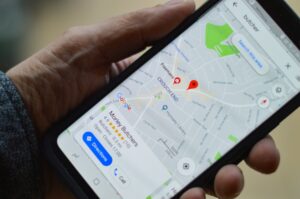
Control also means knowing your current location and being able to share it quickly. A small habit helps: before you leave, screenshot your destination address and your route. If your phone signal drops, you’re still fine.
2) Walking Safely: A Key Part of Solo Travel Transportation Safety
Walking can feel simple, but it’s not always the safest choice when traveling alone. Distances feel longer with luggage, and unfamiliar areas can change quickly from one block to the next.
During the day: choose wide, busy streets with cafés or shops
After sunset: avoid walking even short distances through quiet areas
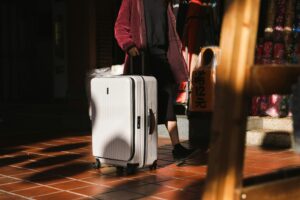
With luggage: remember that 10 minutes on a map feels much longer
Set a planned arrival time. If you’re delayed, switch to public transport or a taxi immediately. When you travel alone, “I’ll just keep going” is how you end up walking too far while tired.
Another helpful standard: if the route makes you constantly check over your shoulder or second-guess the next turn, it’s not a good route for solo walking. Choose the calmer option.
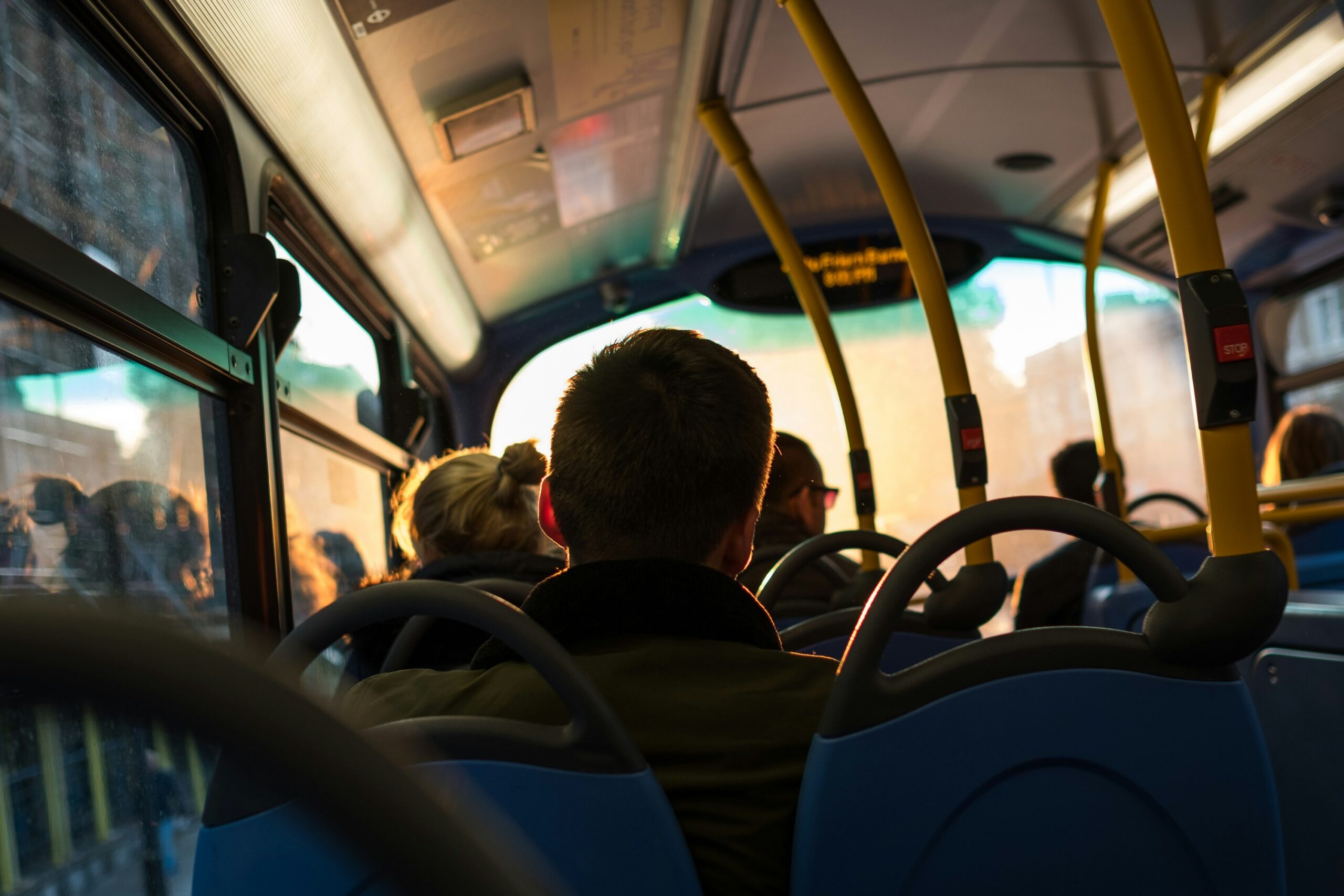
3) Public Transport and Solo Travel Transportation Safety
Public transport is efficient, but transfer environments matter more than the number of transfers. A safe-looking route on a map can feel different when you’re waiting alone at an isolated stop.
Large, well-lit stations usually feel safer
Remote stops with long waits increase stress
At night, always check surrounding activity before you commit
For airports and late-night travel, fewer transfers usually means fewer chances to get confused or stuck in the wrong place. If the “cheapest route” adds complexity, it’s often not worth it when you’re alone.
4) Taxi Use and Solo Travel Transportation Safety
Taxis are convenient, but safety depends on how you use them. The safest approach is to use official systems and reduce improvisation.
Use official ride-hailing apps when possible
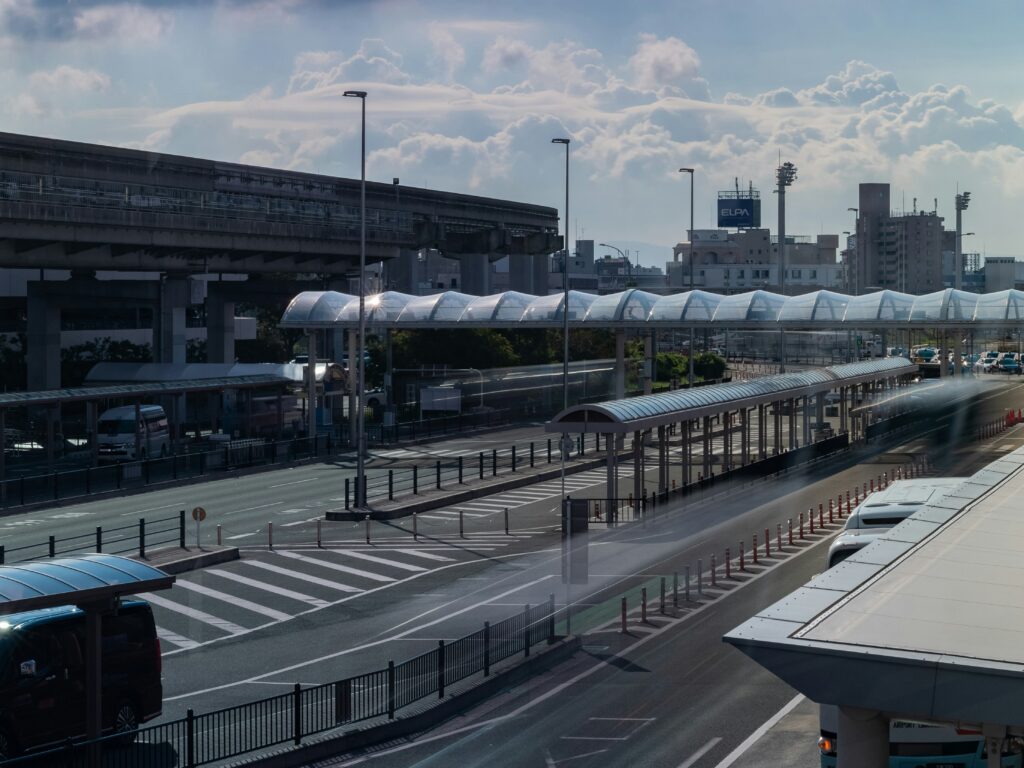
Board only from designated taxi zones (airports, stations, major hotels)
Avoid street solicitations and “special deals”
Track the route on your map and confirm the destination early
Being cautious isn’t rude. In solo travel, safety comes first. If something feels off—driver behavior, route choice, or communication—trust your instincts and switch to a different option next time.
5) Airport Transfers and Solo Travel Transportation Safety
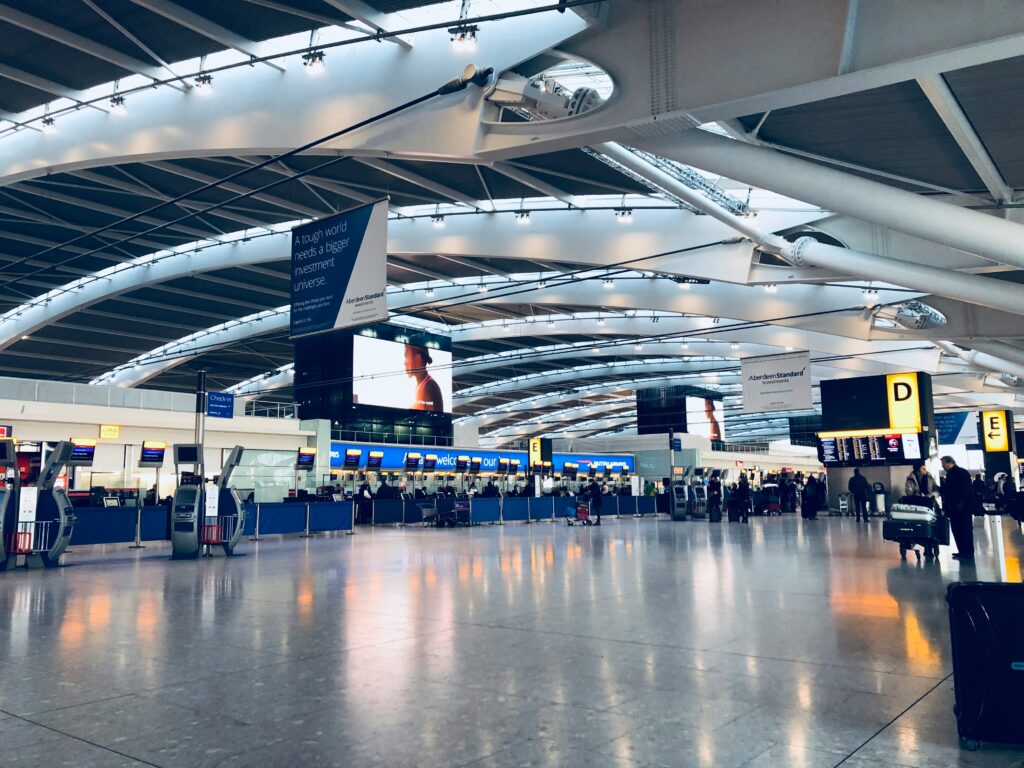
Airport and terminal transfers require energy and focus, especially alone. If you arrive late, you may be tired, hungry, or carrying heavy bags—exactly when mistakes happen.
Allow extra time and keep the route simple
Late-night flights should prioritize direct routes
Heavier luggage often justifies simpler transport
If you’re unsure where to go at the airport, use official information desks or clearly marked signage. For general airport guidance, you can also check the International Air Transport Association (IATA) website: IATA.
6) Night Travel Decisions for Solo Travel Transportation Safety
Night travel adds psychological pressure. Reduce complexity whenever possible. Even a safe city feels different when streets get quiet.
Return before dark when you can
Choose crowded public transport or official taxis
Ensure the final walk to accommodation is simple and familiar
7) Backup Routes Improve Solo Travel Transportation Safety
Always prepare a Plan B. Flexibility reduces stress. When you travel alone, your backup plan is what keeps you calm when something changes.
Save both public transport and taxi options
Keep key addresses copied offline
Stop and recheck directions early (don’t wander)
Internal tip: Link this post to your related solo travel content, like choosing accommodation or packing light. For example: Solo travel accommodation checklist.
Summary: Solo Travel Transportation Safety Comes First
Safe transportation is the foundation of a good solo trip. When you prioritize comfort and control over speed, traveling alone becomes easier and more enjoyable. Conditions vary by destination and traveler, but choosing safety-first transportation almost always pays off.