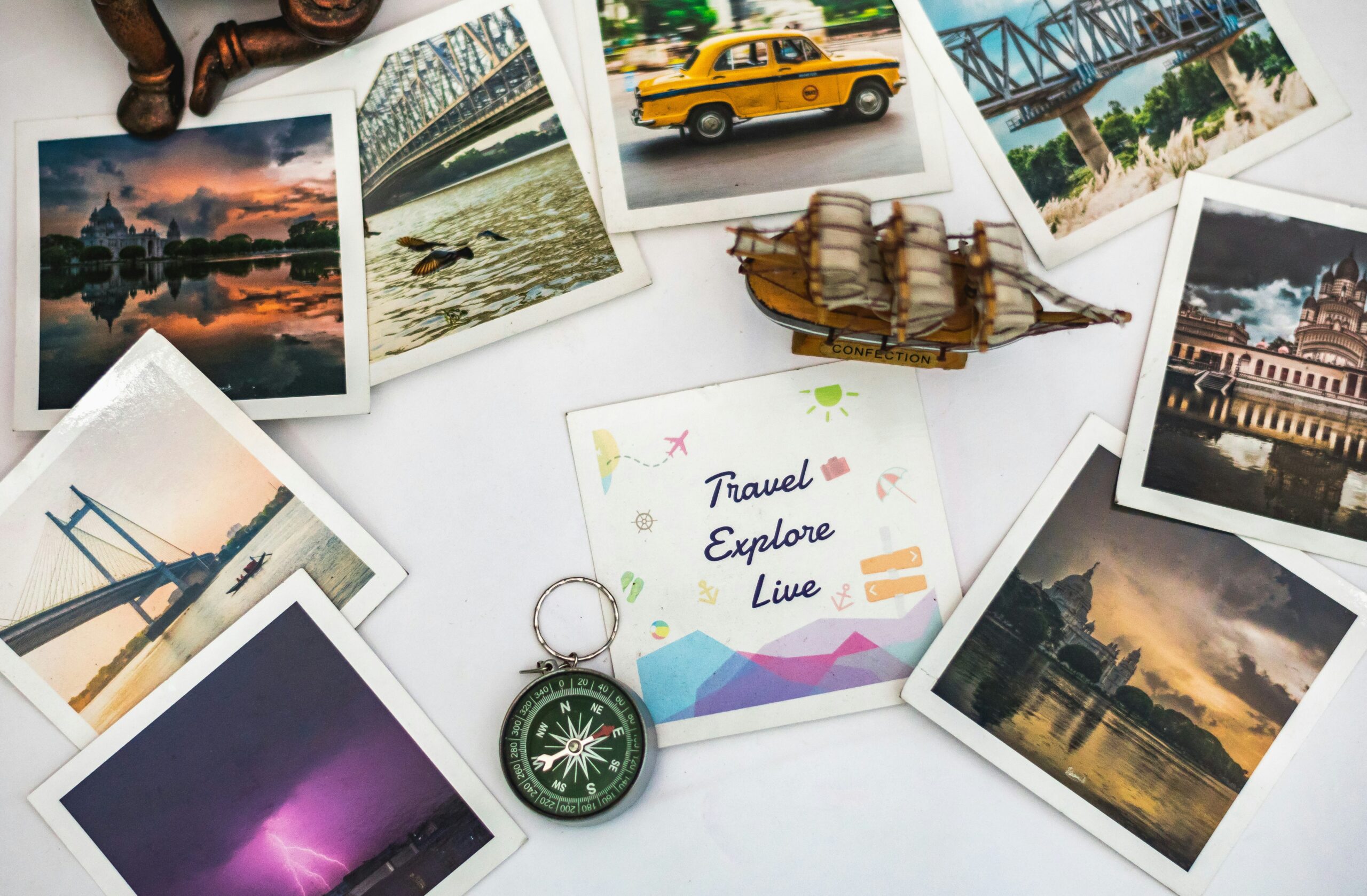
Travel Memories: 7 Simple Ways to Remember Your Trip Longer
Travel memories can feel vivid right after you come home—but a few weeks later, many trips shrink into a handful of photos. This post explains a simple, realistic system to help your travel memories last longer, without turning your trip into a full diary project.
I’m not trying to “document everything.” I just want to remember the parts that mattered: why a place felt calm, why a certain street stayed in my head, or why a random lunch became the best moment of the day. The methods below are lightweight on purpose—so you can actually keep doing them.
Why travel memories fade faster than you expect
During a trip, your brain processes constant novelty: new streets, new schedules, new faces, new food. That’s great for excitement, but it also means your days can blur together. Photos capture what you saw, yet they often miss what made it meaningful—your mood, your choices, and the small reasons you lingered somewhere.
If you want travel memories to stick, you don’t need more content. You need a few “anchors”—small cues that reconnect a photo to a feeling, a decision, or a moment in time.
The simple structure behind long-lasting travel memories
In my experience, travel memories last longer when your trip has a clear thread. Not a perfect narrative—just a bit of structure. The goal is to connect the day’s events into a short, memorable sequence.
One key moment you remember clearly
One reason it mattered to you
One cue that brings the whole day back (a photo, a note, a sound, a place name)
That’s it. This is less about writing well and more about creating triggers that reliably pull your travel memories back when you look at your photos later.
Travel memories: 7 simple ways to remember your trip longer
1) Save one “longest moment” each day
Pick the moment you stayed with the longest. It can be a viewpoint, a café, a museum bench, a beach walk—anything. Write one line about why you stayed. This creates a strong anchor for travel memories because it captures your attention, not just the location.
2) Note the moment your mood changed
Was there a moment you felt lighter, calmer, more tired, more focused? Mark it. Mood shifts are surprisingly powerful for travel memories because they help your brain separate “scenes” inside the day.
3) Keep one sentence for the whole day
Don’t aim for a perfect line. Aim for a true one. A simple sentence can glue the day together: “I walked more than planned, but the city felt gentle at night.” That kind of line makes travel memories easier to retrieve later.
4) Take one photo that is not “pretty”
Take a photo of something ordinary: a bus ticket, a menu, your shoes after rain, the street sign outside your hotel. These “boring” photos often trigger the best travel memories because they contain context.
5) Revisit one place name twice
When you hear or see a place name, repeat it once (quietly is fine) and type it into your notes. Names are sticky. A correct name helps travel memories connect to maps, photos, and future planning.
6) Do a 60-second recap before sleep
Before sleeping, replay the day quickly: where you started, one turning point, where you ended. This takes one minute. It strengthens travel memories because you’re consolidating the day while it’s still fresh.
7) Make one tiny plan for “tomorrow me”
Write one short intention for tomorrow: “walk slower,” “eat something warm,” or “leave early.” It sounds small, but it creates continuity across days—and continuity helps travel memories last.
Common mistakes that weaken travel memories
These are easy traps:
Taking hundreds of photos but writing zero context
Trying to capture everything (it becomes a chore)
Waiting until the trip ends to “organize” your memories
If you want travel memories that feel real, reduce the workload. Pick a few anchors and repeat them. That repetition is what makes it sustainable.
Final note
Travel memories don’t last because you recorded more—they last because you left better clues for your future self. If you only try one thing from this list, make it the “one sentence per day.” It’s the smallest habit with the biggest payoff.